Visualizzazione post con etichetta ANDALUSIA. Mostra tutti i post

venerdì 24 febbraio 2023

Three days in Andalusia: Malaga, Caminito del Rey, Ronda and Marbella. Day 1: 14 things to see in a Malaga walking tour

Qualche anno fa vi abbiamo portato a spasso per Siviglia (qui il racconto: SEVILLA), autentica perla dell'Andalusia, ora però (anno 2022) è giunto il momento di avventurarci nel cuore di questa splendida terra, probabilmente la regione più bella dell'intera Spagna. Di cose fare e da vedere in Andalusia ce ne sono a quantità industriale, per questo abbiamo scelto un semplice itinerario di tre giorni che ci porterà a toccare alcuni dei luoghi iconici della regione, partendo dalla sua capitale, Malaga, e passando per uno dei sentieri iberici più famosi al mondo, il Caminito del Rey, e chiudendo con due paesi particolarissimi, la fotografatissima Ronda e la capitale spagnola del divertimento, Marbella. Siamo nel versante sud della regione, nell'area conosciuta come "Costa del Sol" (il nome dice già tutto...), dove potrete alternare comodamente la "vita da mare" con l'avventura che, da queste parti, non manca davvero mai...

A few years ago we took you on a tour of Seville (here's the story: SEVILLA), the authentic pearl of Andalusia, but now (2022) it's time to venture into the heart of this beautiful land, arguably the most beautiful region in all of Spain. There are many and many things to do and see in Andalusia, which is why we have chosen an easy three-day itinerary that will take you to some of the region's iconic places, starting from its capital, Malaga, and passing through one of the world's most famous Iberian trails, the Caminito del Rey, and closing with two very special towns, the highly photographed Ronda and the Spanish' party capital, Marbella. We are in the southern side of the region, in the area known as the "Costa del Sol" (the name already says it all...), where you can comfortably alternate the life from the sea and the adventure...


COSA VEDERE A MALAGA - IL TOUR A PIEDI DELLA CITTA'

Storia e modernità si fondono alla perfezione a Malaga, la capitale economica e culturale della Costa del Sol, che grazie alla sua posizione favorevolissima al centro della Costa, è di fatto cuore pulsante dell'intera area. Qui la spiagge sono davvero ad un passo da un centro storico vibrante, fatto di viali alberati e monumenti significativi, senza dimenticare poi una scena culinaria decisamente importante che la rende di fatto anche capitale gastronomica della regione. Malaga è questo e molto altro. Per questo un solo giorno per visitare l'intera città potrebbe essere un po' pochino, per questo se doveste seguire il nostro percorso dovrete correre un pochino, ma ne varrà sicuramente la pena...

WHAT TO SEE IN MALAGA - THE CITY WALKING TOUR

History and modernity blend to perfection in Malaga, the economic and cultural capital of the Costa del Sol: thanks to its very favorable location in the center of the Costa, it is in fact the beating heart of the entire area. Here the beaches are really just a stone's throw away from a vibrant historic center made of of tree-lined boulevards and significant monuments, not to mention a decidedly important culinary scene that also makes it the de facto gastronomic capital of the region. Malaga is this and much more. That is why just one day to visit the entire city might be a little bit short, so if you were to follow our route you will have to go a little faster, but it will definitely be worth it...

1) la Cattedrale

Il cuore  Malaga è rappresentato dal “casco antiguo“, ovvero la città vecchia, ed è proprio da qui che cominciamo, in particolar modo dalla Cattedrale, il gioiello cittadino nonostante la sua torre campanaria meridionale sia incompiuta, motivo per il quale è comunemente e scherzosamente chiamata dai locali la Manquita ("la Signora con un solo braccio").  Dopo duecento anni dall’inizio della costruzione, nel 1782 venne  infatti deciso di sospendere i lavori e la cattedrale rimase così come la possiamo ammirare oggi, incompleta ma ugualmente affascinante. È possibile salire in cima alla torre per godere di una splendida vista panoramica sulla città e sulla costa. 

INDIRIZZO: Holy Cathedral of the Incarnation Calle Molina Lario

BIGLIETTO (2022): Visita della cattedrale, 6 euro. La salita in cima e la visita della cattedrale costano 10 euro

ORARI (2022): Dal lunedì al venerdi (10-19), il sabato (10-18), la domenica (14-18)

1) the Cathedral

Malaga's heart is represented by the "casco antiguo," or old town, and it is here that we begin the downtown walking tour, especially the Cathedral, the city's jewel despite the fact that its southern bell tower is unfinished, which is why it is commonly and jokingly called la Manquita ("the one-armed lady") by locals.  Two hundred years after construction began, it was in fact decided in 1782 to suspend work, and the cathedral remained as we can admire it today, incomplete but equally fascinating. It is possible to climb to the top of the tower to enjoy a splendid panoramic view of the city and the coast. 

ADDRESS: Holy Cathedral of the Incarnation Calle Molina Lario

TICKETS (2022): Cathedral tour, 6 euros. Climb to the top and tour of the cathedral, 10 euros

HOURS (2022): Monday through Friday (10 a.m. to 7 p.m.), Saturday (10 a.m. to 6 p.m.), Sunday (2 p.m. to 6 p.m.)


(Malaga Cathedral)


2) Pasarela-mirador de la Alcazaba

Uno dei tanti "mirador" che caratterizzano il centro storico di Malaga, situato ai piedi del muro nord-ovest dell'Alcazaba. Da qui potrete ammirare parte della città e soprattutto il Teatro Romano. Per accedervi, sono state create due entrate, una da Calle Cilla (sul retro del Centro di Interpretazione del Teatro Romano) e l'altra da Calle Mundo Nuevo. 

INDIRIZZO: Pl. Jesús el Rico, 29016 Málaga

3) Teatro romano

Gli amanti della storia troveranno pane per i loro denti al Teatro Romano di Malaga, risalente addirittura al I secolo dopo Cristo e scoperto solamente nel 1951. Siamo ancora ai piedi dell'Alcazaba, nel cuore del centro storico di Malaga, per ammirare i resti di questo teatro costruito sotto l'impero di Augusto e ormai da 70 anni una delle principali cose da vedere quando si visita la capitale della Costa del Sol. 

INGRESSO: gratuito

INDIRIZZO: Teatro Romano di Malaga, C/ Alcazabilla


2) Pasarela-mirador de la Alcazaba

One of the many "miradors" that characterize the historic center of Malaga, located at the foot of the northwest wall of the Alcazaba. From here you can admire part of the city and especially the Roman Theater. To access it, two entrances have been created, one from Calle Cilla (at the back of the Roman Theater Interpretation Center) and the other from Calle Mundo Nuevo. 

ADDRESS: Pl. Jesús el Rico, 29016 Málaga

3) Roman Theater

History lovers will find their fill at Málaga's Roman Theater, dating as far back as the 1st century AD and only discovered in 1951. We are still at the foot of the Alcazaba, in the heart of Málaga's historic center, to admire the remains of this theater built under the empire of Augustus and one of the main things to see when visiting the capital of the Costa del Sol. 

ADMISSION: free

ADDRESS: Roman Theater of Malaga, C/ Alcazabilla

(Teatro Romano de Malaga)

4) Alcazaba

L'Alcazaba è la grande attrazione di Malaga, una sontuosa residenza dei governatori musulmani risalente all XI secolo. Ricorda l'Alhambra della vicina Granada (ma più piccola), con archi a ferro di cavallo, fontane, corsi d'acqua e cortili tipici dell'architettura moresca e uno dei patrimoni islamici più emblematici dell'Andalusia. Una volta acquistato il biglietto d'ingresso, comincerà l'avventura nell'Alcazaba che, anche grazie all'audioguida (anche in lingua italiana), diventerà un autentico viaggio nella storia di Malaga. 

INDIRIZZO: Alcazaba de Málaga, Málaga, Provincia di Málaga, Spagna

ORARI: dalle 9 alle 20

PREZZO (2022): solo Alcazaba 3.50 euro, Alacaza + Gibralfaro 5.50 euro. 

4) Alcazaba

The Alcazaba is Malaga's big attraction, a lavish residence of Muslim governors dating back to the 11th century. It is reminiscent of the Alhambra in nearby Granada (but it's smaller), with horseshoe arches, fountains, streams and courtyards typical of Moorish architecture and one of Andalusia's most emblematic Islamic heritages. grab your ticket and enjoy the visit to the Alcazaba and don't forget to get the the audio guide: this will be an authentic journey through Malaga's history. 

ADDRESS: Alcazaba de Málaga, Málaga, Province of Málaga, Spain

HOURS: 9 a.m. to 8 p.m.

PRICE (2022): only Alcazaba 3.50 euros, Alacaza + Gibralfaro 5.50 euros.


(Alcazaba)


5) Mirador de gibralfaro

Lo incontrerete nel tragitto che percorrerete (tutto in salita) dall'Alcazaba al Castello di Girbalfaro, il Paseo Don de Temboury. Bellissima (forse la migliore) la vista sulla città.

INDIRIZZO: Belvedere di Gibralfaro, Cam. Gibralfaro

5) Mirador de gibralfaro

You will encounter this miratore while walking the road that takes you (it's all uphill) from the Alcazaba to Girbalfaro Castle, the Paseo Don de Temboury. Beautiful (perhaps the best) view of the city.

ADDRESS: Belvedere de Gibralfaro, Cam. Gibralfaro

(Paseo Don De Temboury)

(Mirador de Girbalfaro)


6) Castello di Gibralfaro

Arroccato sulla collina che domina l'intera Malaga, il Castello di Gibralfaro rappresenta una preziosa testimonianza del passato arabo di Malaga. Fu costruito nel VIII secolo e ricostruito nel XIV secolo ed a quel tempo era di fatto una torre di segnalazione usata anche come caserma militare. Fu edificato a protezione dell'Alcazaba, alla quale è unito dalle sue mura di cinta esterne. Nella parte superiore si trova la torre Mayor, alta 17 metri, un pozzo fenicio e i bagni. La corte d'armi accoglie gli alloggi delle guarnigioni e la torre Blanca, che contiene una cisterna e altri ambienti. 

INDIRIZZO: Castello di Gibralfaro, Cam. Gibralfaro

ORARIO: dalle 9 alle 20

PREZZO: 3.50 euro (5.50 se acquistato insieme all'Alcazaba)


6) Gibralfaro Castle

Perched on the hill overlooking the whole of Malaga, Gibralfaro Castle is a valuable testimony to Malaga's Arab past. It was built in the 8th century and rebuilt in the 14th century and at that time was in fact a signal tower also used as military barracks. It was built to protect the Alcazaba, to which it is joined by its outer walls. At the top there is the 17-meter-high Mayor tower, a Phoenician well and baths. The court of arms houses the garrison quarters and the Blanca tower, which contains a cistern and other rooms. 

ADDRESS: Gibralfaro Castle, Cam. Gibralfaro

HOURS: 9 a.m. to 8 p.m.

PRICE: 3.50 euros (5.50 if purchased together with the Alcazaba)

(Gibralfaro Castle)


7) Playa de la malagueta

Una volta scesi dal Castello di Gibralfaro puntate dritto verso la spiaggia. Seguitela per qualche centinaio di metri sino a raggiungere la più famosa e fotografata di Malaga, Playa de la Malagueta. Non potrete non notare la famosissima scritta, situata vicino al chiringuito Sicsu. 

7) Playa de la malagueta

Once you get off the Gibralfaro Castle go towards the beach. Follow it for a few hundred meters until you reach the most famous and photographed spot in Malaga, Playa de la Malagueta. You can't really miss the very famous sign, located next to the chiringuito Sicsu.


(Playa de la Malagueta)

8) La Farola de Málaga

La Farola è il faro principale di Malaga. Fu costruito nel XIX secolo e fu ultimato nel 1816. Il faro è situato nel viale che prende il suo nome, nel quartiere de La Malagueta, tra il porto di Malaga e il lungomare Ciudad de Melilla.

INDIRIZZO: Paseo de la Farola, 17, 19

8) La Farola de Málaga

La Farola is the main lighthouse in Málaga. It was built in the 19th century and was completed in 1816. The lighthouse is located in the avenue named after it, in the La Malagueta neighborhood, between the port of Málaga and the Ciudad de Melilla waterfront.

ADDRESS: Paseo de la Farola, 17, 19

(La Farola de Malaga)

9) Muelle uno

Lasciata la spiaggia, mentre risalite verso il centro storico, vi consigliamo di percorrere interamente Muelle Uno, il lungomare di Malaga, dove troverete negozi, ristorsanti, caffè e molto altro.

INDIRIZZO: Muelle Uno, P.º del Muelle Uno

9) Muelle uno

Leaving the beach, as you walk back up to the historic center, we recommend that you visit Muelle Uno, Malaga's promenade, where you will find stores, eateries, cafes, and more.

ADDRESS: Muelle Uno, P.º del Muelle Uno

(Muelle Uno)


10) Paseo Espana e Paseo del Parque

Salutato Muelle Uno ed attraversata la strada, vi ritroverete all'improvviso nel polmone verde del centro storico di Malaga, due parchi uno attaccato all'altro. Si tratta del Paseo Espana e del Paseo del Parque, ricchi di vialetti alberati. A dispetto del nome, anche il Paseo de España è un parco: un’oasi di verde ricca di piante tropicali che costeggia il lato meridionale del Paseo del Parque.

10) Paseo Espana and Paseo del Parque

Once you leave Muelle Uno and cross the street, you will suddenly find yourself in the green lung of Malaga's historic center, two parks one attached to the other. These are the Paseo Espana and the Paseo del Parque, full of tree-lined avenues. Despite its name, the Paseo de España is also a park: a green oasis full of tropical plants that runs along the southern side of the Paseo del Parque.

(Paseo del Parque)

11) Mercado de Atarazanas

Il modo migliore per entrare a contatto con la cultura locale è sicuramente quello di far visita al Mercado de Atarazanas, un mercato alimentare al coperto all'interno del quale potrete acquistare prodotti o anche pranzare in uno dei tanti bar-ristoranti.

INDIRIZZO: Mercato Centrale di Atarazanas, C. Atarazanas, 10

11) Mercado de Atarazanas

The best way to get in touch with the local culture is definitely to pay a visit to the Mercado de Atarazanas, an indoor food market where you can buy produce or even have lunch in one of the many café-restaurants.

ADDRESS: Atarazanas Central Market, C. Atarazanas, 10

(Mercado de Atarazanas)

12) Calle larios

E' il fulcro nevralgico della città ed in particolare del centro storico, a ridosso di Plaza de la Constitucion.

12) Calle larios

It is the nerve center of the city and particularly of the historic center, abutting the Plaza de la Constitucion.

(Calle Larios)


13) Pasaje Chinitas

Pasaje Chinitas, vicino Plaza de la Constitución, è una tappa obbligata quando si visita il centro storico di Malaga. Non dimenticatevi di osservare i giornali impressi nel pavimento di questa piazza, a testimonianza di quanto fu scritto il giorno dopo l'approvazione della Costituzione Spagnola. 

13) Pasaje Chinitas

Pasaje Chinitas, near Plaza de la Constitución, is a must-see when visiting Malaga's historic center. Be sure to look at the newspapers imprinted in the pavement of this square, bearing witness to what was written the day after the approval of the Spanish Constitution 


14) Museo di picasso

L'imperdibile Museo Picasso, dedicato al pittore nato proprio a Malaga, è l'ultimo stop del nostro walking tour di Malaga.  Ospitato all’interno del bellissimo Palacio de los Condes de Buenavista, conserva un’interessante collezione di oltre 200 opere di Pablo Picasso donate o prestate dai suoi eredi, compresi alcuni ritratti famigliari. Non lontano troverete anche la Casa natale di Picasso, oggi sede di una fondazione a lui dedicata.

INDIRIZZO CASA: Museo Casa Natal de Picasso, Pl. de la Merced, 15

INDIRIZZO: MUSEO: Museo Picasso, Palacio de Buenavista, C. San Agustín, 8.

14) Picasso Museum

The unmissable Picasso Museum, dedicated to the Malaga-born painter, is the last stop on our walking tour of Malaga.  Housed inside the beautiful Palacio de los Condes de Buenavista, it holds an interesting collection of more than 200 works by Pablo Picasso donated or loaned by his heirs, including some family portraits. Not far away you will also find Picasso's Birthplace, now home to a foundation dedicated to him.

HOME ADDRESS: Museo Casa Natal de Picasso, Pl. de la Merced, 15

ADDRESS: MUSEUM: Picasso Museum, Palacio de Buenavista, C. San Agustín, 8.

(Museo Casa Natal de Picasso)


© RIPRODUZIONE RISERVATA


© COPYRIGHT - ALL RIGHTS RESERVED


FOLLOW US ON FACEBOOK: WWW.FACEBOOK.COM/DUECUORIPERVIAGGIARE?REF=HL


giovedì 2 febbraio 2023

Three days in Andalusia: Malaga, Caminito del Rey, Ronda and Marbella. Day 2: Caminito del Rey

Se c'è un sentiero in Spagna che da ormai più di cento anni affascina, tra miti e leggende, gli avventurieri di tutto il mondo, questo è proprio El Caminito del Rey (Sentiero del Re), un tempo sentiero molto pericoloso ed avventura davvero per pochissimi, ma oggi attrazione di richiamare ogni anno milioni di visitatori. Siamo a circa 60 km a nord di Malaga, nel cuore delle montagne dell'Andalusia, dove canyon e gole hanno contribuito a costruire il mito di questo particolarissimo sentiero, voluto dalla Sociedad Hidroeléctrica del Chorro, che aveva bisogno creare un accesso alle due cascate presenti nel canyon per facilitare il passaggio degli operai per la manutenzione, il trasporto di materiali e per la vigilanza. La storia del Caminito del Rey comincia qui, nel 1901...

If there is a path in Spain that has fascinated adventurers from all over the world for more than a hundred years now, amid myths and legends, it is precisely El Caminito del Rey, once a very dangerous path and adventure truly for very few, but today an attraction for millions of visitors every year. We are about 60 kilometers north of Malaga, in the heart of the mountains of Andalusia, where canyons and gorges have helped build the myth of this very special trail, commissioned by the Sociedad Hidroeléctrica del Chorro, which needed to create access to the two waterfalls in the canyon to facilitate the passage of workers for maintenance, transport of materials and for surveillance. The history of the Caminito del Rey begins here, in 1901...

(El Caminito del Rey)


EL CAMINITO DEL REY, TRA... RE E INCIDENTI MORTALI

Il sentiero, terminato nel 1905, cominciò ad assumere una certa popolarità nel 1921, quando re Alfonso XIII intervenne all'inaugurazione della diga del Conde del Guadalhorce e attraversò il percorso che, a partire da quel momento, diventò per tutti "El Caminito del Rey". Il tempo e la pochissima (se non nulla) manutenzione fecero notevolmente deteriorare l'intero sentiero tanto che, proprio per la sua pericolosità, furono diversi gli incidenti mortali occorsi nel corso dei 100 anni di vita del sentiero. Dopo i tragici avvenimenti del 1999 e del 2000, quando persero la vita quattro escursionisti, le autorità dell'Andalusia decisero per la chiusura dell'accesso al percorso distruggendo la parte iniziale del sentiero. Ciò non funzionò come deterrente e fu per questo che nel 2014 presero il via importanti lavori di ristrutturazione che ci hanno di fatto, consegnato, un Caminito del Rey sempre affascinante ma ora molto più sicuro ed a portata di tutti.

EL CAMINITO DEL REY, BETWEEN... KINGS AND FATAL ACCIDENTS

The trail, completed in 1905, began to gain popularity in 1921, when King Alfonso XIII spoke at the inauguration of the Conde del Guadalhorce dam and crossed the path, which, from that moment on, became "El Caminito del Rey" (path of the king) for everyone. Time and very little maintenance caused many safety problems to the entire trail, so much so that, precisely because of its dangerousness, there has been several fatal accidents that occurred during the trail's 100-year life. After the tragic events of 1999 and 2000, when four hikers lost their lives, the Andalusian authorities decided to close access to the trail by destroying the initial part of the path. This did not work as a deterrent and it was for this reason that in 2014 major renovations began. Those works have made the Caminito del Rey still fascinating but now much safer and available for everyone.


COME VISITARE IL CAMINITO DEL REY 

Nonostante il Caminito del Rey sia uno dei sentieri più famosi al mondo, non è ancora così semplice (almeno nel 2022), reperire informazioni precise e dettagliate sull'accesso al sentiero. Intendiamoci, nulla di complicato, ma con questa piccola guida vogliamo portarvi non solo dentro alla gola, ma anche prepararvi nel miglior modo alla visita. 

HOW TO VISIT THE CAMINITO DEL REY 

Despite the fact that the Caminito del Rey is one of the most famous trails in the world, it is still not so easy (at least in 2022), to find accurate and detailed information about accessing the trail. Mind you, nothing complicated, but with this little guide we want to take you not only inside the gorge, but also prepare you in the best way for the visit.

Innanzitutto il primo passo da compiere è quello dell'acquisto del biglietto che vi consentirà l'ingresso nel sentiero: vi basterà accedere al sito ufficiale https://www.caminitodelrey.info/en/ per ottenerli. I prezzi variano dai 10 euro per la visita "fai da te" ai 18 per la visita guidata. Potrete scegliere anche l'orario ed il consiglio spassionato, per evitare lunghe code prima di accedere al sentiero dovute ai tanti gruppi organizzati, è di visitarlo molto presto al mattino (tra le 9 e le 10) oppure dopo le 15. 

First of all, the first step is to purchase the ticket that will allow you to enter the trail: you only need to access the official website https://www.caminitodelrey.info/en/ to get them. Prices range from 10 euros for the self guide tour  to 18 for the guided tour. You will also be able to choose the time and our main advice, to avoid long queues before accessing the trail due to the many organized groups, is to visit the canyon very early in the morning (between 9 and 10 am) or after 3 pm.

Il secondo step è, se non pianificherete di arrivare presto, è quello dell'acquisto del parcheggio. Quello principale è situato proprio all'inizio del piccolo paese di Ardales (vicino ad una grande rotonda) e da qui, un servizio navetta (da pagare a parte) vi consentirà di recarvi direttamente all'accesso principale del sentiero. Già, perchè esistono due modi di accedere al vero e proprio Caminito del Rey che comincerà un po' più avanti.

The second step is, if you do not plan to get there very early, is to purchase you park car. The main one is located right at the beginning of the small village of Ardales(near the roundabout), and from here, a shuttle service (to be paid separately) will allow you to go directly to the main access of the trail. That's right, because there are two ways to access the actual Caminito del Rey, which begins a little further on.

Il più lungo si estende per 2,7 chilometri, partendo dal “Sillón del Rey” (lunghezza totale del percorso: 7.7 km), ma il principale è l'altro, ovvero quello situato circa 200 metri prima di raggiungere il ristorante. Qui un tunnel vi consentirà l'accesso al Caminito del Rey accorciando il percorso di circa 1 km (6.5 km totali).

The longest stretches for 2.7 kilometers, starting from the "Sillón del Rey" (total length of the route: 7.7 km), but the main one is the other, namely the one located about 200 meters before reaching the restaurant. Here a tunnel will give you access to the Caminito del Rey shortening the route by about 1 km (total length 6.5 km).

Una volta superato il tunnel vi troverete lungo una mulattiera che in circa 10-15 minuti vi porterà al vero e proprio Caminito Del Rey. Qui troverete il casotto di controllo che fornisce ai visitatori un caschetto protettivo e controlla che si indossino le scarpe adeguate. Noi abbiamo aspettato quasi un'ora per entrare (settembre) a causa dei numerosi gruppi organizzati che sono giunti al canyon come noi intorno alle 10. 

Once past the tunnel, visitors will find themrselves along a mule track that in about 10 to 15 minutes let them reach the actual Caminito Del Rey. Here there is the control booth that provides visitors with a protective helmet and checks that you are wearing the proper shoes. We waited almost an hour to enter (September) because of the many organized groups that arrived at the canyon as we did, around 10 o'clock.

Lo spettacolo comincia qui, perchè vi troverete a dover affrontare circa 3 km di lunghe rampe larghe un metro e sospese fino a 100 metri di altezza tra gole, canyon e una grande valle. Attraverserai i paesaggi dello scenario naturalistico Desfiladero de los Gaitanes, scavato dal fiume Guadalhorce e con pareti che raggiungono i 700 metri di profondità. 

The show begins here, because you're about to face about 3 km of long ramps one meter wide and suspended up to 100 meters high between gorges, canyons and a large valley. You will cross the landscapes of the Desfiladero de los Gaitanes, carved by the Guadalhorce River.


EL CAMINITO DEL REY - IL PERCORSO NEL DETTAGLIO

Indossato il casco ed apprese le linee guida sul comportamento da tenere lungo il sentiero, comincia l'avventura lungo il Caminito del Rey. Lasciata la diga di Gaitanejo e la centrale idroelettrica, si entra nella gola di Gaitanejo e poi nel canyon noto come Tajo de las Palomas, dove si trova anche il Puente del Rey. 

EL CAMINITO DEL REY - THE TRAIL IN DETAIL

After wearing the helmet and learned the guidelines on how to behave along the trail, the adventure along the Caminito del Rey really begins. Leaving the Gaitanejo Dam and hydroelectric plant, we enter the Gaitanejo Gorge and then the canyon known as Tajo de las Palomas, where the Puente del Rey is also located.

Alternerete passaggi lungo passerelle sospese a 100 metri di altitudine ad altri più semplici nella rigogliosa valle del Hoyo. Il pezzo finale è il più suggestivo (e più fotografato), con il ponte sospeso che segna di fatto la conclusione del tratto (circa 2 km) di Caminito del Rey lungo la gola. Da questo momento, una volta usciti dal canyon, affronterete un tratto in discesa di circa 2 km che vi condurrà alla stazione ferroviaria di El Chorro.

There will be passages along suspended footbridges at 100 meters above sea level and easier ones in the lush Hoyo Valley. The final section is the most striking (and most photographed), with the suspension bridge effectively marking the end of the section (about 2 km) of Caminito del Rey along the gorge. From this point, once you exit the canyon, you will face a downhill path (2 km) that leads to the El Chorro train station.

(Suspension Bridge) 

Qui troverete servizi igienici, negozi, ristoranti e bar. Ed anche il bus navetta che volendo vi ricondurrà al parcheggio principale. Altrimenti dovrete considerare almeno un'ora abbondante per tornare a piedi verso la cittadina di Ardales. Il percorso ufficiale del Caminito del Rey è lungo 2.9 km ma a questi, come vi abbiamo già accennato, dovete aggiungere i sentieri di accesso ed il tratto che conduce all’uscita, per un totale di 7,7 km di camminata. Il Caminito vero e proprio si svolge per 1,5 km su passerelle di legno a strapiombo e 1,4 km su sentieri forestali. Ecco una breve sintesi di quello che troverete lungo El Caminito del Rey:

Here there are restrooms, stores, restaurants and bars. And also the shuttle bus that, if you want, will take you back to the main parking lot. Otherwise hikers will have to consider at least one hour to walk back to the town of Ardales. The official route of the Caminito del Rey is 2.9 km long, but to this, as we have already mentioned, you have to add the access paths and the section leading to the exit, for a total of 7.7 km. The Caminito proper is a 1.5 km long path on overhanging wooden walkways and 1.4 km on forest trails. Here is a brief summary of what you will find along El Caminito del Rey:

- Visitor Reception Area (ingresso nord): qui troverete la fermata del servizio navetta ed il parcheggio nord. E' da qui che potrete scegliere se seguire il sentiero di 2.7 km o quello di 1.5 per accedere al vero e proprio Caminito del Rey.

- Gola Gaitanejo: primo canyon 

- Las Palomas Cliff: secondo canyon 

- Valle di Hoyo 


Visitor Reception Area (north entrance): here visitors will find the shuttle bus stop and the north parking lot. It is from here that you can choose whether to follow the 2.7 km or the 1.5 km trail to access the actual Caminito del Rey.

- Gaitanejo Gorge: first canyon 

- Las Palomas Cliff: second canyon 

- Hoyo Valley

- Gola Gaitanes (Desfiladero de los Gaitanes): terzo canyon e fine delle passerelle. 

- Sentiero che conduce all’uscita 

- Avenue Caminito del Rey: stradina in discesa che dall’uscita conduce alla stazione ferroviaria di El Chorro


-     Gaitanes Gorge (Desfiladero de los Gaitanes): third canyon and end of boardwalks. 

-     Trail leading to the exit 

-     Avenue Caminito del Rey: downhill road that leads from the exit to the El Chorro train station


© RIPRODUZIONE RISERVATA


© COPYRIGHT - ALL RIGHTS RESERVED


FOLLOW US ON FACEBOOK: WWW.FACEBOOK.COM/DUECUORIPERVIAGGIARE?REF=HL

venerdì 27 gennaio 2023

Three days in Andalusia: Malaga, Caminito del Rey, Ronda and Marbella. Day 3: Ronda & Marbella

Se anche scrittori del calibro di Hemingway, Rilke e Joyce hanno speso per lei parole dolci, significa proprio che Ronda è uno dei quei luoghi davvero imperdibili quando si visita l'Andalusia. Perchè non c'è davvero nessun'altra città che sia davvero così particolare come lo è Ronda, perfetta per chi vuol camminare, per chi vuol scattare fotografie incredibili... perfetta anche per chi ama il vino. Insomma, un viaggio in Andalusia non può davvero prescindere dalla visita di Ronda, situata strategicamente a metà strada tra Siviglia, Granada e Malaga.

If even writers like Hemingway, Rilke, and Joyce have spoken sweet words for it, it really means that Ronda is one of those really must-see places when visiting Andalusia. Because there is really no other city that is really as special as Ronda is, perfect for those who want to walk, for those who want to take incredible photographs... perfect even for those who love wine. In short, a trip to Andalusia can't really do without a visit to Ronda, strategically located halfway between Seville, Granada and Malaga.


RONDA, TRA NATURA, STORIA E VINO

Prima di parlarvi di Ronda e del consueto tour a piedi della stupenda cittadina andalusa, vi raccontiamo di cosa c'è intorno a questo favoloso angolo di Spagna. Abbiamo scelto per voi un luogo per ognuna delle tre grandi caratteristiche dei dintorni della città, dove regnano incontrastate il vino, la storia e la natura. Ed è proprio da quest'ultima che cominciamo, e quindi dalla famosissima Cueva Del Gato, situata nella comunità di Benaojan, 20 km ad ovest di Ronda. La Cueva del Gato ("la grotta del gatto"), altro non è che una delle numerose piscine fluviali che potrete scovare tra le campagne andaluse, con la grande differenza che, a differenza delle altre, questa è raggiungibile facilmente. Non dovrete, infatti, camminare molto per raggiungere la "cueva" ed ammirare le sue acque cristalline e pulitissime. E perchè no, anche fare un bel bagno durante i mesi torridi. Il suo nome deriva proprio dall'entrata della caverna, che pare proprio assomigli al muso di un gatto. 
 
 RONDA, BETWEEN NATURE, HISTORY AND WINE
Before we tell you about Ronda and the usual walking tour of the beautiful Andalusian town, let us also tell you about what can be found around this fabulous corner of Spain. We have chosen for you one place for each of the three great features of the city's surroundings: wine, history and nature. Let's start with the latter and then with the very famous Cueva Del Gato, located in the community of Benaojan, 20 km west of Ronda. The Cueva del Gato ("the cat's cave"), is nothing more than one of the many river pools you can unearth in the Andalusian countryside, with the big difference that, unlike the others, this one is easily accessible. In fact, visitors don't have to walk very far to reach the "cueva" and admire its crystal-clear and very clean waters. And, why not, even take a nice swim during the scorching months. Its name comes precisely from the entrance to the cave, which looks just like a cat's snout.


Se alla natura, invece preferite la storia, il posto che fa per voi è invece la Ciudad Romana de Acinipo (21 km a nord di Ronda), una città romana fortificata risalente al I secolo d.C. Nella città potrete visitare il teatro, il foro e le terme romane.  
 
If you prefer history to nature, however, the place for you is instead the Ciudad Romana de Acinipo (21 km north of Ronda), a fortified Roman city dating back to the first century AD. In the town you can visit the theater, forum, and Roman baths.


Ronda è però anche una rinomatissima terra del vino. Qui sono tantissime le aziende vinicole che potrete visitare lungo la "Strada del Vino di Ronda". Se siete alla ricerca di un itinerario eno-turistico, dedicate ampio spazio al RVRM, ovvero l'itinerario che comprende i comuni di Arriate, Cómpeta, El Borge, Manilva, Moclinejo, Mollina, Ronda, Sayalonga e Almáchar. Questo percorso include quattro zone di produzione vitivinicola, Axarquía, Serranía de Ronda, Manilva e Zona Norte. Se volete un consiglio tra la tante cantine da poter visitare, la nostra scelta ricade su Bodegas Kieninger di Martin Kieninger, originario di Ried, Austria: nei suoi vigneti trovano spazio varietà come Blaufraenkisch e Zweigelt che forniscono frutta per vini non tipici della zona. Lo consigliamo perchè oltre ad offrire tour informativi del vigneto e della cantina, consente al visitatore di abbinare il vino ai formaggi locali.
 
However, Ronda is also a renowned land of wine. There are so many wineries here that can be visited along the "Ronda Wine Route." If you are looking for a wine-tourist itinerary, just give space to the RVRM, which is the route that includes the municipalities of Arriate, Cómpeta, El Borge, Manilva, Moclinejo, Mollina, Ronda, Sayalonga and Almáchar. This route includes four wine-producing areas, Axarquía, Serranía de Ronda, Manilva, and Zona Norte. If you want a recommendation among the many wineries that can be visited, our choice is Bodegas Kieninger by Martin Kieninger, originally from Ried, Austria: his vineyards include varieties such as Blaufraenkisch and Zweigelt that provide fruit for wines not typical of the area. We recommend it because in addition to offering informative tours of the vineyard and winery, it allows visitors to pair the wine with local cheeses.


LE 10 COSE DA VEDERE A RONDA - IL TOUR A PIEDI

Ronda non è molto grande, per questo ancora una volta vi consigliamo di visitarla a piedi, seguendo questo piccolo tour di 10 fermate che vi porterà a toccare tutto il meglio che la stupenda città arroccata tra le colline andaluse ha da offrire.

THE 10 THINGS TO SEE IN RONDA - THE WALKING TOUR

Ronda is not very big, so once again we recommend you visit it on foot, following this short 10-stop tour that will take you to all the best that the stunning city perched among the Andalusian hills has to offer.


1) Plaza del Socorro
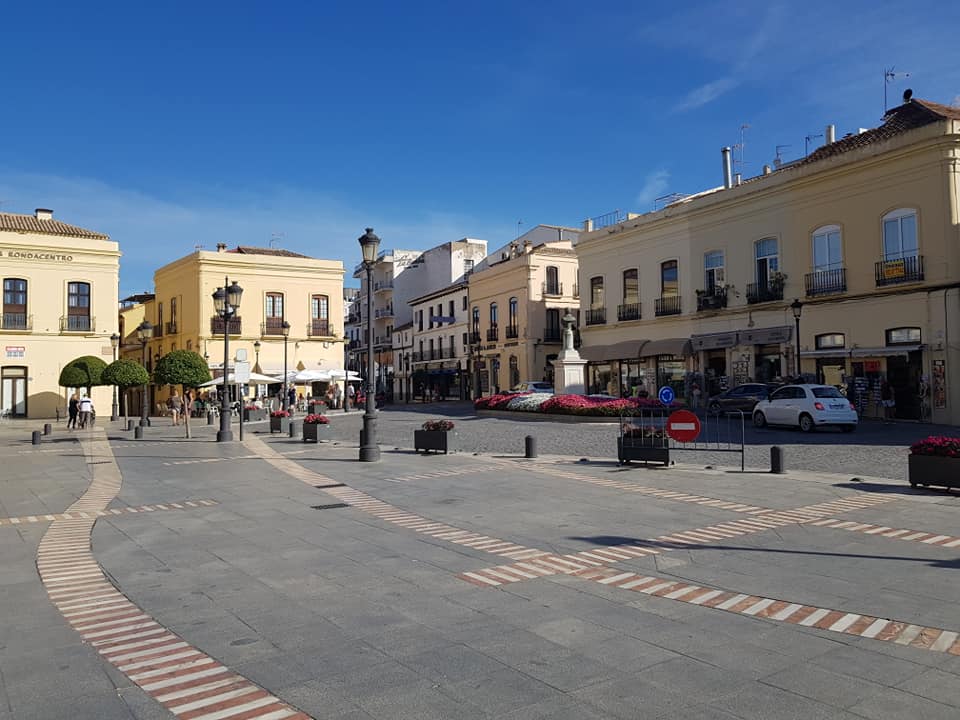
A Ronda tutto ruota intorno a Plaza del Socorro, una piazzetta circondata da bar e ristoranti. Ed è proprio da qui che comincia la visita della stupenda Ronda.
 
 1) Plaza del Socorro
Everything in Ronda revolves around Plaza del Socorro, a small square surrounded by bars and restaurants. And it is from here that the visit to beautiful Ronda begins.


2) Plaza de Toros de Ronda
Plaza de Toros de Ronda, dove sono nate le corride, è una delle arene più antiche della Spagna. Costruita nel 1785 dallo stesso architetto che ha costruito il Puente Nuevo, può ospitare fino a 5,000 spettatori.
 
 2) Plaza de Toros de Ronda
Plaza de Toros de Ronda, where bullfighting was born, is one of the oldest arenas in Spain. Built in 1785 by the same architect who built the Puente Nuevo, it can hold up to 5,000 spectators.


3) Mirador de Ronda
Seguendo il Paseo Blas Infante, dirigetevi fino alla scogliera. Camminate lungo il bordo ed ammirate la splendida vista sulla valle sottostante. Al Mirador di Ronda, una passerella che prosegue oltre la scogliera, vi consentirà di ammirare l'intero panorama da posizione ancor più privilegiata anche il villaggio di Ronda e come sia arroccato in maniera eccezionale. Nei mesi più caldi i vialetti dell’Alameda del Tajo, uno spazio verde tranquillo, vi regalerà un po' di sollievo e la possibilità di riposarvi prima di riprendere il cammino.
 
 3) Mirador de Ronda
Following Paseo Blas Infante, head up to the cliff. Walk along the edge and admire the beautiful view of the valley below. At the Mirador de Ronda, a footbridge that continues over the cliff allows visitors to admire the entire panorama from an even more privileged position including the village of Ronda and how exceptionally perched it is. In the warmer months the pathways of the Alameda del Tajo, a quiet green space, will give you some relief and a chance to rest before resuming your walk.


4) Il Puente Nuevo
Diciamo le cose come stanno. Ronda è Ronda anche e soprattutto per lo scenografico e stupendo Ponte Nuevo (il Ponte Nuovo), di gran lunga l'attrazione principale ed immagine presente su ogni cartolina della città. Fermatevi al punto panoramico di Aldehuela e poi attraversate questo incredibile ponte alto 100 metri (completato nel 1793) che unisce le due parti della città di Ronda. Per ottenere la visuale più bella del ponte e scattare la foto perfetta, seguite la Calle Tenorio fino a raggiungere Plaza de Maria Auxiliadora. Un percorso vi porterà verso il primo punto panoramico (la pilastra del Torero, C. Arminan, 1, Ronda) e poi al secondo (Pl. de Maria Auxiliadora, Ronda). Non dimenticatevi ovviamente di scendere verso la valla per ammirarlo dalla miglior posizione possibile!
 
4) The Puente Nuevo
Let us be clear. Ronda is Ronda also and above all for the scenic and stunning Ponte Nuevo (the New Bridge), by far the main attraction and image featured on every postcard of the city. Stop at the Aldehuela viewpoint and then cross this incredible 100-meter-high bridge (completed in 1793) that joins the two parts of the city of Ronda. To get the best view of the bridge and take the perfect photo, follow Calle Tenorio until you reach Plaza de Maria Auxiliadora. A path will take you to the first viewpoint (the pillar of the Torero, C. Arminan, 1, Ronda) and then to the second (Pl. de Maria Auxiliadora, Ronda). Don't forget, of course, to descend toward the valley to admire it from the best possible position!


5) Palacio de Mondragón 
Costruito nel lontano 1314 ed utilizzato dalla Regina Isabella e da Re Ferdinando come residenza quando visitavano Ronda, il palacio de Mondragon mescola l’architettura Moresca con quella Rinascimentale ed oggi ospita il Museo Municipale di Ronda (ingresso: 4 euro).
 
5) Palacio de Mondragón
Built back in 1314 and used by Queen Isabella and King Ferdinand as a residence when visiting Ronda, the palacio de Mondragon mixes Moorish and Renaissance architecture and today houses the Municipal Museum of Ronda (admission: 4 euros).


6) Plaza Duquesa de Parcent
Lungo Plaza Duquesa de Parcent, probabilmente la più bella piazza cittadina, troverete il municipio e soprattutto la chiesa di Santa Maria Maggiore, la cui costruzione impiegò ben 200 anni.
 
 6) Plaza Duquesa de Parcent
Along Plaza Duquesa de Parcent, probably the most beautiful city square, there's the city hall and especially the church of Santa Maria Maggiore, whose construction took a good 200 years


7) Museo Bandolero
Sì, esiste davvero. Non stiamo scherzando. A Ronda potrete visitare tra le tante cose anche il Museo dei Banditi (Museo Bandolero), situato a ridosso di Plaza Duquesa, che racconta storia ed aneddoti dei più famosi fuorilegge andalusi, tra cui contrabbandieri, cantanti di flamenco e toreri (prezzo: 3.75 euro)
 

8) La Puerta de Almocabar e le Mura Arabe
Proseguendo verso Calle Arminan e poi verso Calle Cuesta de las Imagenes fino alla Puerta de Almocabar, l’antica porta della città, vi imbatterete nelle Mura Arabe. Grazie alla sua posizione geografica, infatti, Ronda era considerata una delle città più inespugnabili dell’Andalusia.
 
 7) Bandolero Museum
Yes, it really exists. We're not kidding. In Ronda you can visit, among many other things, the Bandit Museum (Museo Bandolero), located just off Plaza Duquesa, which tells the history and anecdotes of the most famous Andalusian outlaws, including smugglers, flamenco singers and bullfighters (price: 3.75 euros)
 

8) La Puerta de Almocabar and the Arab Walls
Continuing to Calle Arminan and then to Calle Cuesta de las Imagenes to the Puerta de Almocabar, the ancient city gate, visitors will come across the Arab Walls. Thanks to its geographical location, in fact, Ronda was considered one of the most impregnable cities in Andalusia.


9) Bagni arabi
Prima di rientrare verso il Puente Nuevo, incrocerete i bagni arabi, risalenti addirittura al 13esimo secolo. Visitandoli (a pagamento) ammirerete come accade per le terme romane zone fredde, tiepide e calde. 
 
 9) Arab baths
Before heading back toward Puente Nuevo, you will cross the Arab baths, dating as far back as the 13th century. Visitors can visit them (for a fee) and admire as with the Roman baths, cold, lukewarm and hot zones.


10) Casa del Rey Moro
Costruito dai Mori nel 14° secolo, la Casa del Rey Moro è una delle grandi attrazioni di Ronda (ingresso: 7 euro). Dopo aver visitato i giardini e la casa in rovina, scenderete nella Mina del Rey Moro, una galleria scavata nella roccia per scopi difensivi. 236 gradini ed oltre 60 metri di discesa vi consentiranno di raggiungere questo piccolo canyon e scattare una delle foto più scenografiche del vostro viaggio in Andalusia.
 
 10) Casa del Rey Moro
Built by the Moors in the 14th century, the Casa del Rey Moro is one of Ronda's great attractions (admission: 7 euros). After visiting the gardens and the ruined house, you will descend into the Mina del Rey Moro, a tunnel carved into the rock for defensive purposes. 236 steps and more than 60 meters of descent will allow visitors to reach this small canyon and take one of the most scenic photos of your trip to Andalusia.


MARBELLA, LA CAPITALE ANDALUSA DEL DIVERTIMENTO
Per trent'anni almeno è stata meta prediletta da personaggi di spicco della scena mondiale che l'avevano scelta per trascorrere le loro vacanze di lusso. Con il tempo però il suo "essere esclusiva" è decisamente scemato ed ora Marbella è un luogo di vacanza per tutti grazie al suo clima gradevole, ai servizi all'avanguardia ed al suo affascinante centro storico.
 
 MARBELLA, THE ANDALUSIAN CAPITAL OF ENTERTAINMENT
For at least thirty years, Marbella has beens a favorite destination for prominent figures on the world stage who chose this city along the Costa del Sold to spend their luxury vacations. Over time, however, its "being exclusive" has definitely faded, and now Marbella is a vacation spot for everyone thanks to its pleasant climate, state-of-the-art amenities, and charming historic center.


Il cuore pulsante della città è Plaza De Los Naranjos (il nome deriva dagli alberi d'arancio che la circondano), da sempre il punto di partenza per la visita della città di Marbella. Qui hanno sede, infatti, l’Ayuntamiento (Municipio), la Casa del Corregidor (Casa del Sindaco) e l’Ermida de Santiago (Eremo di Santiago), la chiesa più antica della città. Tutto il centro storico, edificato nel XV Secolo, è molto caratteristico, grazie alle sue stradine strette e le case imbiancate a calce con splendidi balconi fioriti. Non lontano troverete anche la Iglesia de Nuestra Señora de la Encarnación, la cattedrale di Marbella.
 
The beating heart of the entire city is Plaza De Los Naranjos (named for the orange trees that surround it), which has always been the starting point for visiting the city of Marbella. It is home to the Ayuntamiento (Town Hall), the Casa del Corregidor (Mayor's House) and the Ermida de Santiago (Hermitage of Santiago), the oldest church in the city. The entire historic center, built in the 15th century, is very characteristic, thanks to its narrow streets and whitewashed houses with beautiful flowered balconies. Not far away you will also find the Iglesia de Nuestra Señora de la Encarnación, Marbella's cathedral.


Il Parque de la Alameda è il secondo "must see" di Marbella. Lo troverete tra il centro storico e Avenida del Mar e rappresenta oggi soltanto una piccola parte di quello che un tempo era il parco, capace di estendersi su un'area di circa 20mila metri quadrati. Qui troverete la "gente del posto" che conversa sulle panchine, qui troverete diversi mercatini... Insomma qui troverete l'anima di Marbella.
 
The Parque de la Alameda is the second "must see" in Marbella. It is located between the historic center and Avenida del Mar and it is now only a small part of what the park was once, capable of covering an area of about 20 thousand square meters. Here you will notice the "locals" conversing on the benches, here you will find different street markets.... In short, here you will find the soul of Marbella.


Avenida del Mar è invece una piazza rettangolare situata tra il parco Alameda e il lungomare, accanto al Puerto Deportivo de Marbella, il porto più antico della città. Museo a cielo aperto, Avenida del Mar ospita una collezione di sculture di Salvador Dalí e dell'artista locale Eduardo Soriano e una fontana a forma di piramide. Qui troverete negozi, bar e ristoranti e soprattutto tanti giovani che la animano sia di giorno che di sera.
 
Avenida del Mar, on the other hand, is a rectangular plaza located between Alameda Park and the waterfront, next to the Puerto Deportivo de Marbella, the city's oldest port. Just like an open-air museum, the Avenida del Mar houses a collection of sculptures by Salvador Dalí and local artist Eduardo Soriano and a pyramid-shaped fountain. Here you will find stores, bars and restaurants, and above all many young people who enliven it both during the day and at night.


Difficilmente poi non percorrerete centinaia e centinaia di metri lungo il Paseo Maritimo, il famosissimo lungomare di Marbella, lungo ben 7 km. Tra bar di tapas, negozi, e ristoranti... vi verrà davvero voglia di percorrerlo tutto sino a raggiungere Puerto Banus, un esclusivo porto turistico costeggiato da locali alla moda e frequentato principalmente dai VIP.
 
You will then hardly fail to walk hundreds and hundreds of meters along the Paseo Maritimo, Marbella's world-famous 7-kilometer-long promenade. Between tapas bars, stores, and restaurants... you will really want to walk the whole thing till getting to Puerto Banus, an exclusive marina lined with trendy clubs and frequented mainly by VIPs.


© RIPRODUZIONE RISERVATA


© COPYRIGHT - ALL RIGHTS RESERVED


FOLLOW US ON FACEBOOK: WWW.FACEBOOK.COM/DUECUORIPERVIAGGIARE?REF=HL